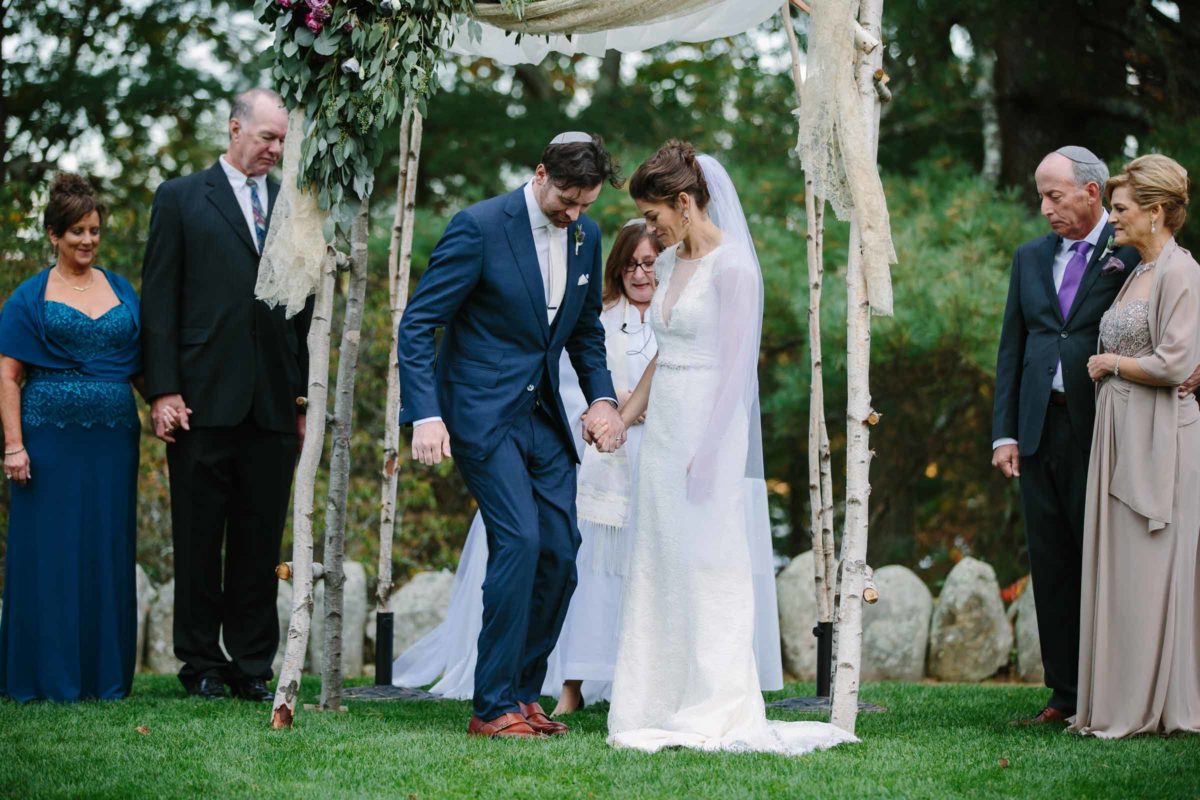
Understanding the Role of the Father of the Groom
The father of the groom plays a crucial role in the wedding planning process, acting as a supportive figure for both the groom and the bride's family. This role often includes emotional support, financial contributions, and logistical assistance to ensure the day goes smoothly.
In addition to providing guidance and advice, fathers can also help coordinate with vendors, assist in planning pre-wedding events like the rehearsal dinner, and offer a sense of calm during the planning chaos. Their involvement can significantly enhance the overall experience for the couple and their families.
Key Responsibilities of the Father of the Groom
There are several key responsibilities that the father of the groom should be aware of as the wedding day approaches. These responsibilities can range from financial contributions to emotional support, ensuring that the groom feels confident and prepared for his big day.
Some specific tasks might include helping to plan the rehearsal dinner, offering to pay for certain wedding expenses, and being an active participant in discussions with the couple about their vision for the wedding. By understanding these responsibilities, fathers can play a pivotal role in making the wedding a memorable occasion.
Tips for Supporting Your Son on His Wedding Day
As the father of the groom, your support can make a significant difference in how your son experiences his wedding day. It’s essential to be present, both physically and emotionally, as he navigates the excitement and nerves of this life-changing event.
Consider offering words of encouragement, helping him with any last-minute preparations, or simply being available to listen if he needs to talk. Your presence and support can help alleviate stress and create a more enjoyable atmosphere for everyone involved.
Frequently Asked Questions About the Father of the Groom's Role
Many fathers have questions about their role in the wedding planning process. Understanding common concerns can help clarify expectations and responsibilities, making the experience smoother for everyone.
Typical questions might include what financial contributions are expected, how to approach conversations with the bride's family, and what specific tasks should be prioritized. Addressing these FAQs can empower fathers to engage confidently in the planning process.